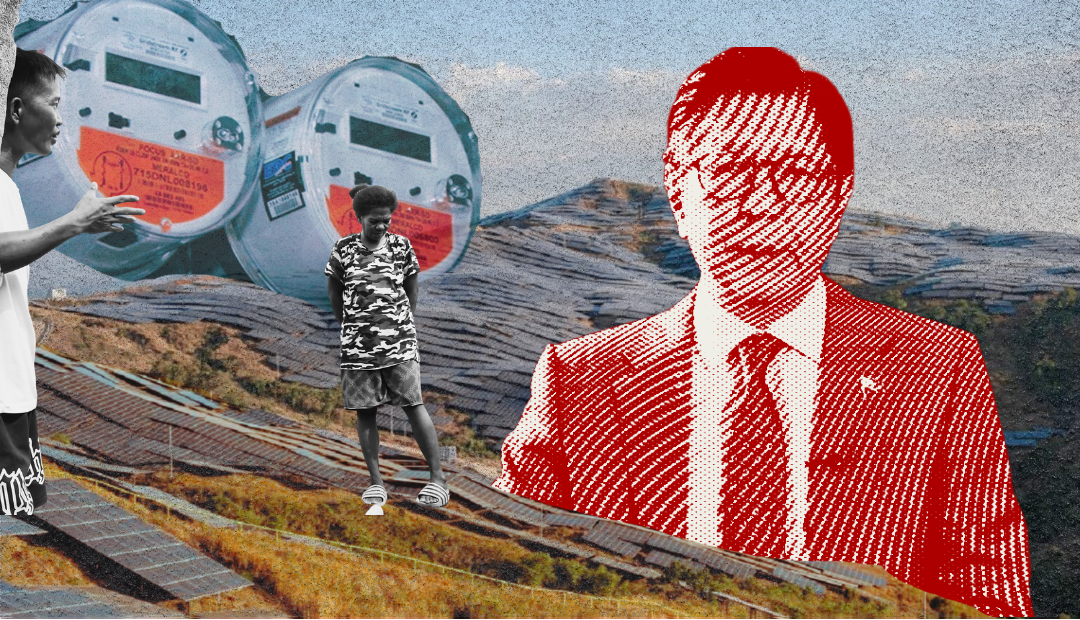
Marcos Jr. claims renewable energy will bring down electricity prices. This is false. Speaking at the Singapore Nuclear Research and Safety Institute, he said Filipinos prioritize cheaper electricity over its source and that his goal is “sufficient, affordable and dependable electricity, with safety remaining our highest priority.” This misrepresents the root cause of high electricity costs and conceals the structural failures of the current energy plan.
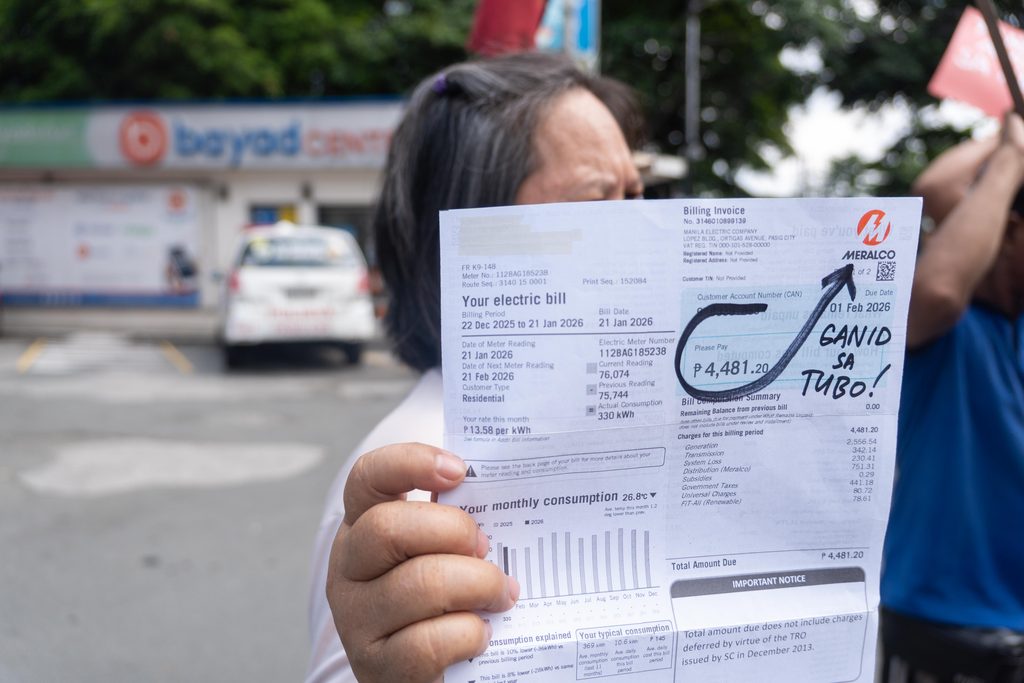
Electricity will not become cheaper until the privatized, deregulated, liberalized, and increasingly foreign-owned energy industry is structurally overhauled. Since EPIRA’s enactment in 2001, rates have nearly tripled—from about P4.00–P4.50/kWh before the law (P4.87 in 2000) to over P13/kWh today (P14.48/kWh in 2026). Filipino households now spend hundreds of billions of pesos on power, while a small circle of billionaire families—Pangilinan, Gokongwei, San Miguel, and Aboitiz—dominates generation, transmission, and distribution. EPIRA was crafted to guarantee their profits through pass-through charges. Consumers shoulder forex losses, system losses, rural electrification, indigent subsidies, and the Feed-in Tariff Allowance and Green Energy Auction Allowance. Renewable energy does not alter this structure; it merely adds charges to every bill.
The renewables Marcos promotes are corporate-led, privatized, and foreign-owned. CIP-led offshore wind in Bicol and Ilocos, Vena Energy windmills in Tanay and Talim, and dams like Ahunan displace indigenous peoples, peasants, and fisherfolk, clear watersheds, and threaten food security. His push for 100% foreign ownership opens new profit streams for the same conglomerates. This is not a transition; it is a rebranding of the same extractive, profit-driven system.
Higher electricity costs are unavoidable—whether through direct billing or taxpayer subsidies to corporations—given the surge of investments and investors. This burden is worsened by rising oil prices and the Philippines’ continued dependence on foreign oil. Marcos tinkers with system loss charges while refusing to dismantle EPIRA. The problem is not fossil fuels and coal reliance alone. It is a power sector that is privatized, deregulated, and liberalized—one that treats electricity as a commodity for profit, not as a public service. Renewable energy under EPIRA will not lower bills; it will only create new subsidies for corporations and new burdens for consumers.
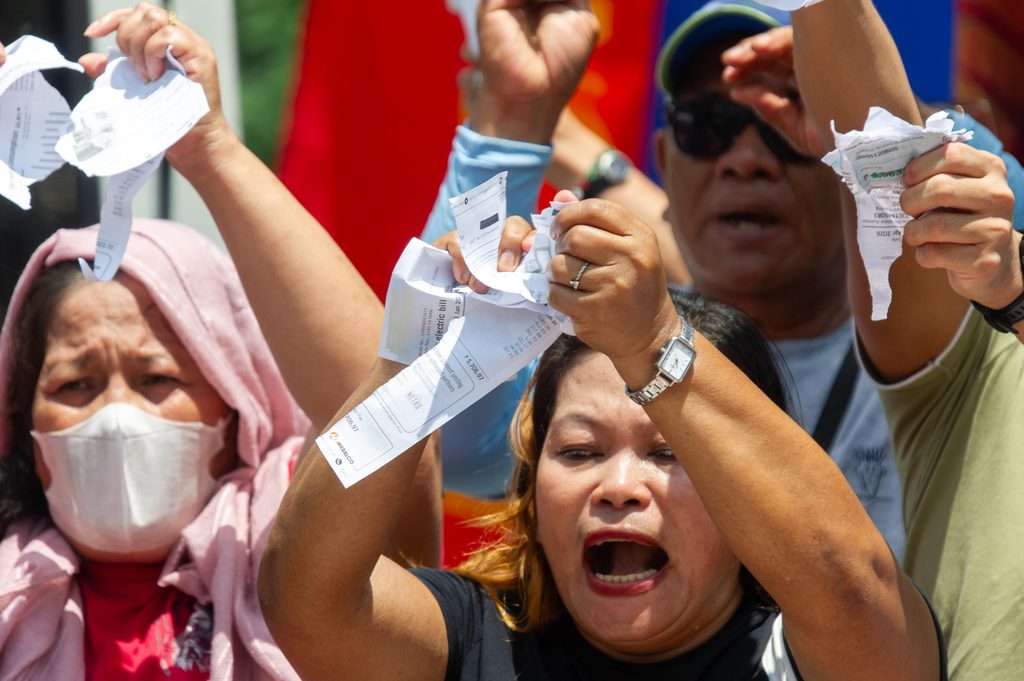
The power industry is a natural monopoly. It must be publicly owned and democratically controlled. Kalikasan PNE calls for the scrapping of EPIRA and the nationalization of the power industry. Renewable energy must be funded through the national budget, not through consumer subsidies. Failing energy generators and overcharging distributors must be regulated and penalized. Marcos Jr. must be held accountable for the rampant sell-off of the Philippine energy industry to private and foreign interests. The choice is not between fossil fuels and renewables. It is between corporate profit and public welfare. Nationalize the power industry.
