By Clemente Bautista Jr.
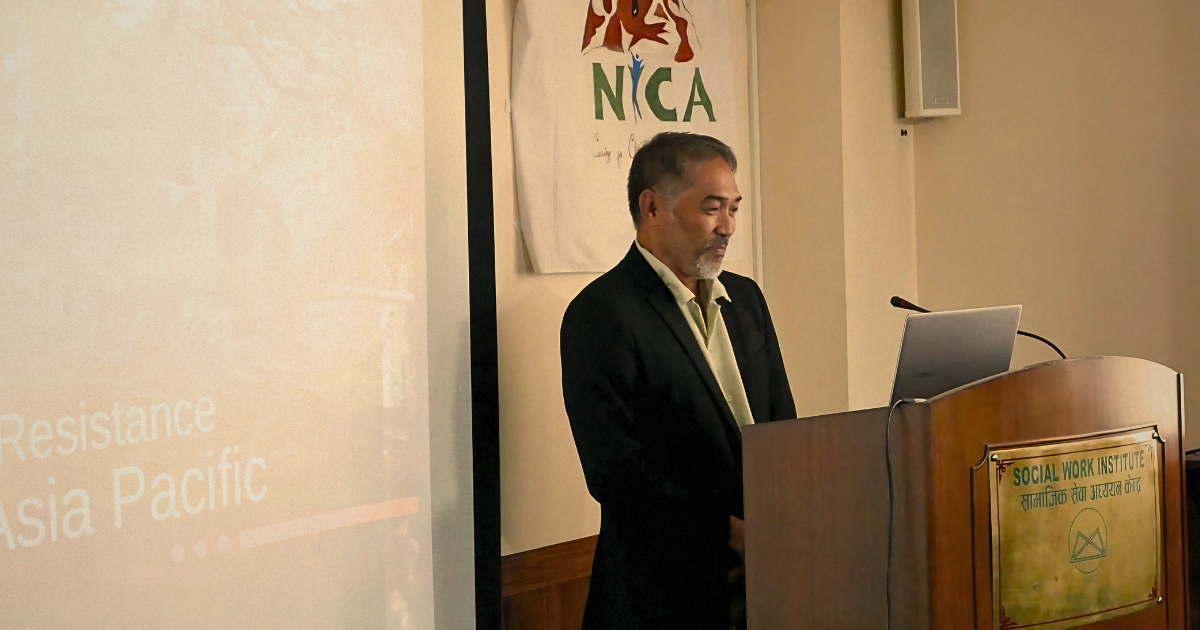
I stood in that hall in Nepal last month, surrounded by young faces from every corner of our region, and one question kept cutting through the noise of the 10th National Youth Conference on Climate Change: Why?
Why does the destruction get worse even when we sign agreements? Why do we hear the scientists scream warnings, yet the forests still burn and the seas still rise? Sitting there, looking at the maps on the wall, the answer became clear. It isn’t just about temperature or carbon numbers. It’s about who holds the leash. It’s about imperialism.
From the Himalayas to the Pacific Islands, we are fighting the same beast. We see the convergence of everything—the climate crisis, the mining companies, the war machines, the geopolitics. Asia-Pacific is rich, incredibly so. But instead of prosperity, many of us are seeing theft. Our territories are becoming battlefields.
The Cost of War and Greed
Here’s the truth we often forget: the climate emergency isn’t coming; it’s already here. The decade from 2015 to 2024 was the hottest on record. Storms, droughts, floods—my generation is inheriting a broken system where fuel corporations count their billions while families lose their homes to supercharged weather.
But there’s another cost we’re ignoring: Militarization.

Think about it. Modern wars guzzle fossil fuels, spew toxic waste, and level ecosystems. Yet, military emissions are almost always left out of climate reports. The military-industrial complex is one of the biggest polluters on earth, and they operate with impunity.
And let’s talk about the United States. Geopolitically, they dominate—and sabotage. Recently, under Donald Trump’s warmongering leadership, the U.S. pulled out of the Paris Agreement again. They’ve spent decades trying to block accountability for the real polluters while pushing us these “false solutions”—carbon markets, REDD+, nuclear tech—that let imperialist nations profit off the very crisis they created.
Plundered Not Poor
We have to stop calling this poverty. It’s plunder.
Look around us. Southeast Asia, Borneo, Nepal’s mountains—we hold species no one else has. Beneath our feet lie copper, gold, nickel, rare-earths essential for the gadgets you’re holding right now. Our oceans, especially the Coral Triangle, are teeming with life. And our energy reserves? Massive.
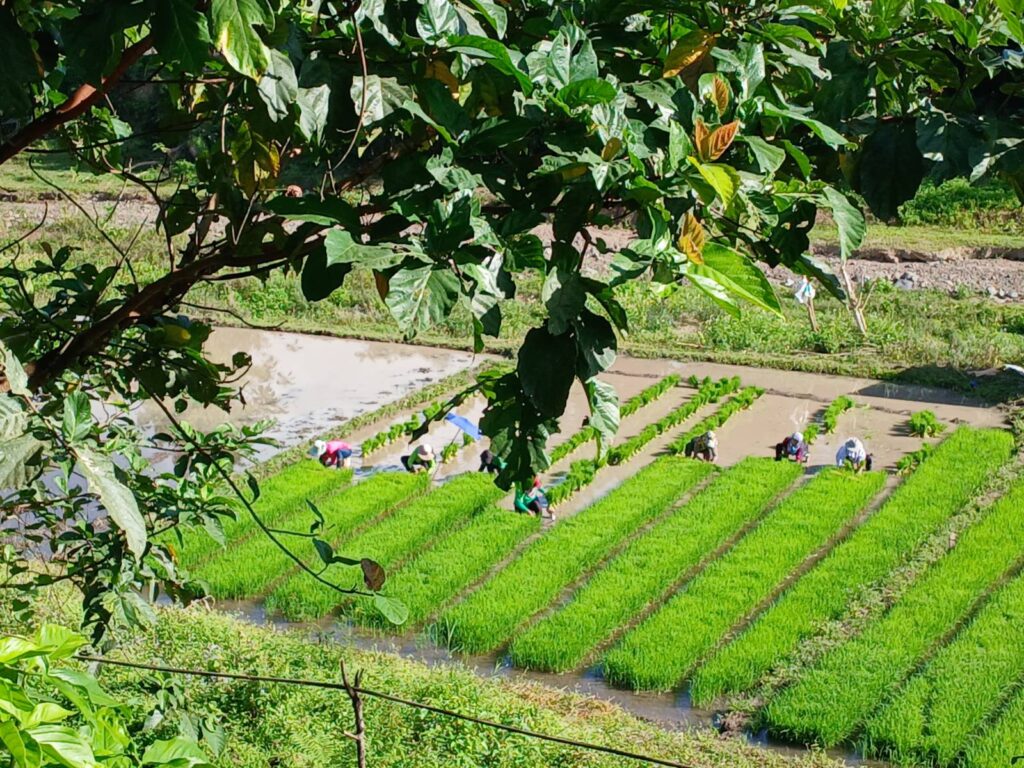
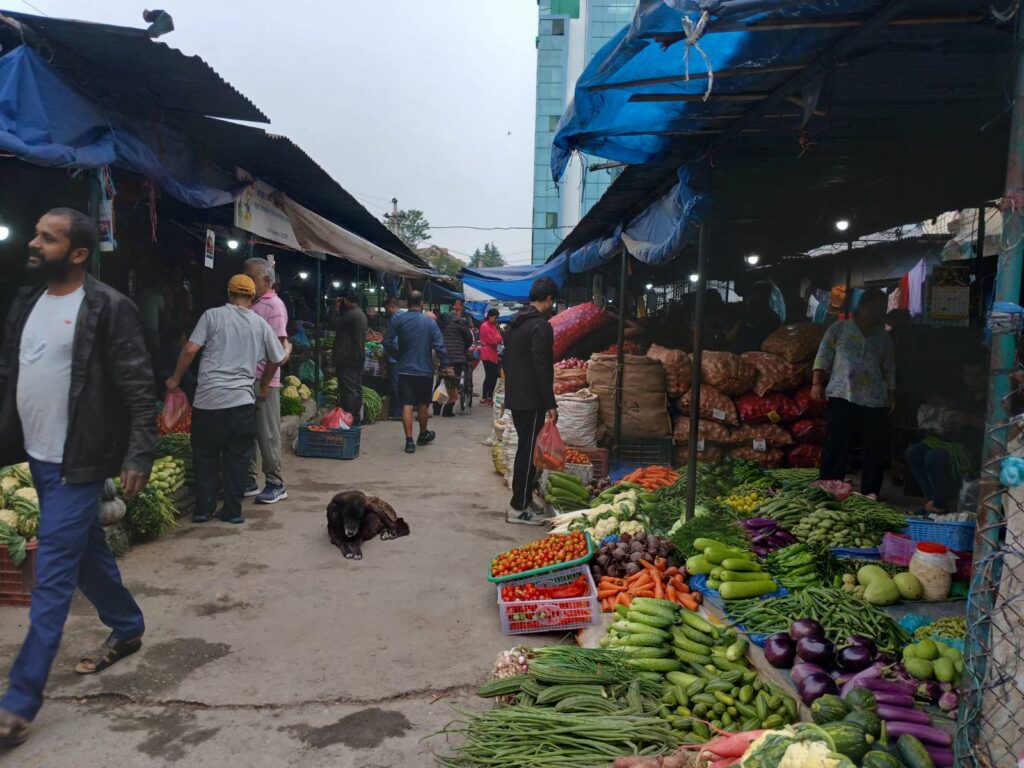
So why is there conflict everywhere? Because capitalists want it all. Mining, logging, mega-dams, industrial farming—they displace us, silence us, and turn landscapes into wastelands. When we stand up, the state brings in lawyers and soldiers. Environmental defenders, Indigenous leaders, activists—we face harassment and criminalization just for saying “no.” This isn’t a lack of resources; it’s a deliberate extraction of life.
A Lesson from West Asia
If you want to see the deadliest version of this, look at West Asia.
The link between imperialist war and ecological death is undeniable there. Driven by oil and strategy, U.S. and Israeli forces have moved to subjugate Arab nations—Palestine, Lebanon, Iran.
In Gaza and the West Bank, systematic violence over the past three years has left at least 172,000 injured and 72,000 dead by late December 2025. That isn’t just war; it’s genocide and ecocide working hand-in-hand to crush spirit by destroying environment. We are talking about toxic leakage from bombs, sewage spreading because water plants were targeted, 61 million tonnes of rubble, 97% of trees destroyed, and 97% of Gaza’s water poisoned.
And the carbon footprint? The war in Gaza alone produced over 30 million tons of CO2. Then came the conflict with Iran earlier this year (February to March 2026)—another 5 million tons of pollution in just two weeks from bombings, burning refineries, and missile smoke.
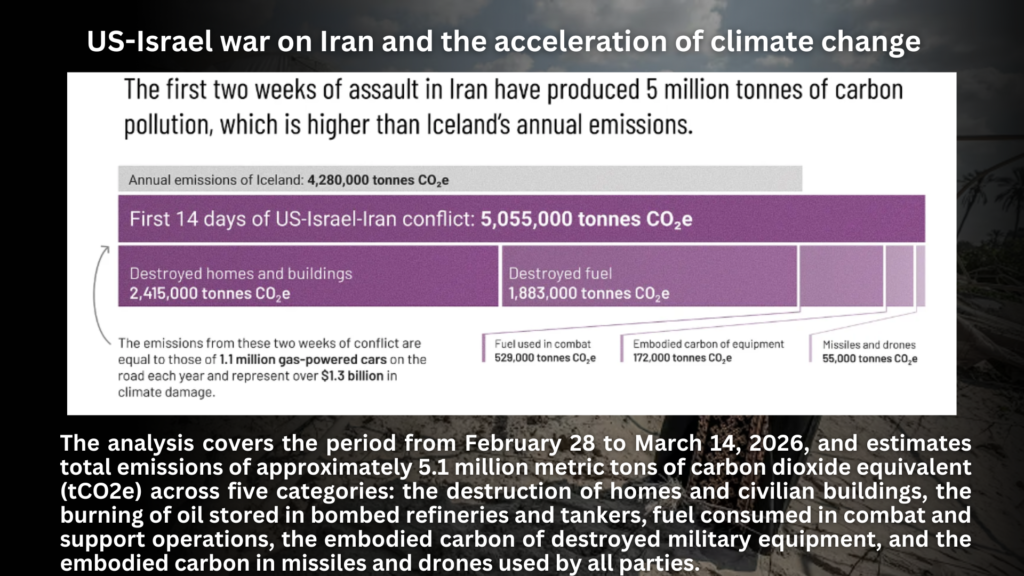
This is the price of an empire. And it’s paid in lives, land, and oil.
Resistance, Not Just Recycling
We need to be honest with ourselves. Public campaigns love to tell us to recycle, reduce plastic, and conserve energy. Those things help build awareness, but they won’t stop a mine or a drone strike. You can’t lifestyle your way out of a system designed to degrade and to violate.
The drivers of destruction—large-scale pollution, militarization, extraction—are rooted in imperialism. Fixing this requires more than good intentions. It requires public accountability, national liberation, and real collective resistance.
We need to oppose projects like commercial mining, unsafe nuclear plants, and mega-dams that serve only elite profit. We must defend our commons—the forests, seas, mountains—from privatization. We owe these resources to our children and grandchildren, not to corporate shareholders.
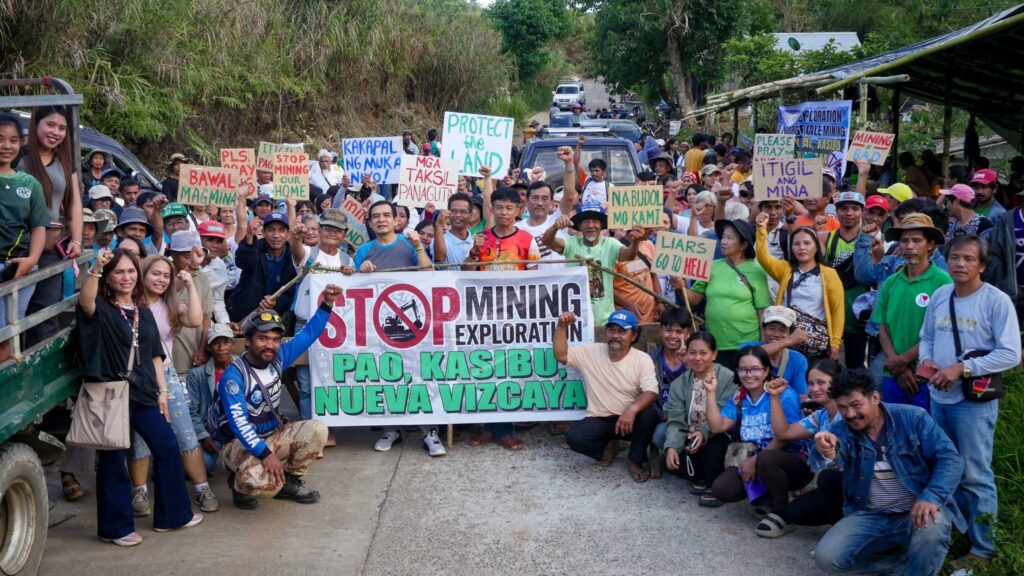
Sitting in Nepal, I felt the fire in the room again. The struggle for climate justice is wrapped up in the fight for social and economic freedom. If we want a future that’s healthy and sustainable, we can’t remain subjects of an empire. We have to be free people from free nations. And we have to fight for it together.